
To use blackrocklast.com, start with its three menu sections, Health & Families, Healthy Sleep and Healthy Recipes, then read each article for a named author, a date and a source. This how-to explains the steps, and what the pages read do and do not tell you.
| What is blackrocklast.com? | A wellness blog: “Empowering Health: Your Guide to Wellness” |
| Main sections? | Health & Families, Healthy Sleep, Healthy Recipes |
| Who writes the recipes? | Galmones Delkin is credited on the recipe posts |
| Other named names? | Amanda White and Grace Taylor appear in profile-style headlines |
| Are dates and sources shown? | Not on the headlines read |
Step 1: Find the right section on blackrocklast com
The home page describes the aim as fostering holistic wellness through informative content and practical resources, with a focus on healthy recipes, restful sleep and healthy family dynamics. Searchers who type blackrocklast com or blackrocklast .com are looking for this home page, and the menu gives three routes: Health & Families, Healthy Sleep and Healthy Recipes, followed by About Us and Contact.
Choose the section that matches your question rather than reading the front page top to bottom. The front page mixes recipes with product and trend pieces.
Step 2: Use the blackrocklast.com recipes carefully
The recipe posts are the most consistent part of the site. Four titles are credited to Galmones Delkin: healthy asparagus recipes (seven), healthy sweets recipes, healthy Asian chicken recipes (ten) and healthy buffalo chicken recipes. They are listicles, meaning each promises a set of dishes.
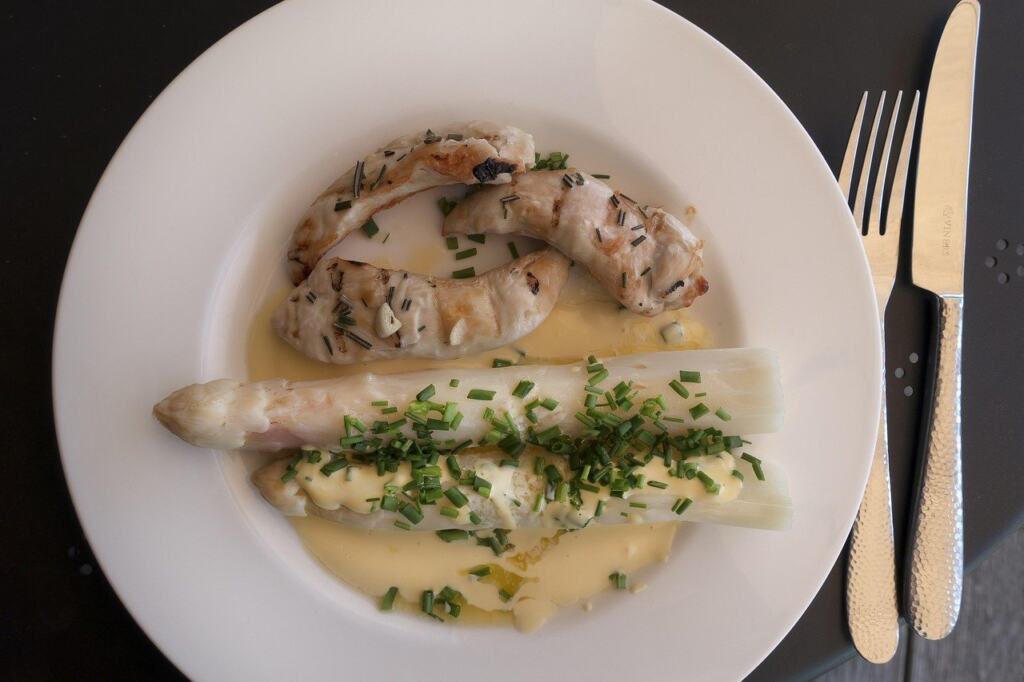
Before cooking, check the basics yourself: ingredient quantities, cooking times and temperatures, and allergen information. If a recipe says “healthy” and gives no nutrition figures, treat the claim as a label, not a measurement. Anyone with a medical condition or allergy should check dishes against professional advice.
A practical way to use a recipe list is to pick one dish, cook it once as written, and then adjust. Note the salt, oil and sugar you use, because “healthy” on a recipe site can mean anything from a lighter version of a favourite dish to a dessert with less sugar than usual. Compare the portion sizes with what you eat in a normal meal, and keep leftovers in line with ordinary food safety guidance for chilling and reheating.
Step 3: Read the sleep and wellness posts with a checklist
The sleep material includes pieces titled as sleep tips, a parenting sleep hygiene guide and an article on a hydration trend. The wellness list also includes vitamin serum drips, a tattoo removal explainer, a screen-time guide and a piece on why some men retain fat after liposuction.
Use a short routine for each. Look for an author, a date and named sources. Ask whether the article tells you when to see a doctor. Notice any product being promoted, and whether the article says who benefits if you buy. The headlines read give none of those.
One caution applies to the more unusual items, such as vitamin serum drips and tattoo removal. These are procedures or products with real risks, and a blog article cannot judge whether they suit you. If you are curious, use the article to learn the vocabulary, then ask a qualified clinician in your area. Be wary of any page that promotes a treatment and links to a seller in the same breath.
Step 4: Check the people and spellings behind blackrocklast
Several titles on the site use misspellings of its own name, such as BlackRxast, Blackroclast and Blakroklast, and some contain strange invented words. These look like variants produced for search, and they make it harder to know which article is meant. Type the plain address, blackrocklast.com/ or blackrocklast.com, in your browser instead of following spelling variants from adverts.

Two headlines are profile-style: one about Amanda White and one about the voice behind the site, named as Grace Taylor. The text read does not explain either role, so do not assume anyone has medical training.
The site’s own statement says it offers evidence-based guidance. That phrase is worth testing. Pick one article and look for the evidence: a study named in the text, an official health body quoted, or a date for the claim. If nothing like that appears, the statement describes an ambition, not a feature of the article you are reading.
Finally, keep your own notes. If you follow the site for a month, write down which posts you tried, what you changed and what happened. That gives you a record to show a health professional if you ever need to ask a question about diet or sleep.
Step 5: Contact blackrocklast before relying on it
A Contact page is in the menu. The text that arrived was page styling, so no email, address or phone is quoted here. If you write, name the article and ask where its information comes from. A reliable wellness site can answer that question.
Questions about blackrocklast.com
Is blackrocklast.com written by medical professionals?
No credentials were shown in the pages read.
Does the site have a testimonials section?
Yes. A What Our Readers Say block praises the recipe section. The pages read do not name the reviewers, so treat the praise as unverified.
How often is blackrocklast.com updated?
No publication dates appeared on the headlines read, so the update rhythm is unknown. Many titles mention 2026, which suggests recent writing, but the year in a title is the author’s label and not proof of when a page was last checked.
Is there an ebook?
A headline mentions a healthy recipes ebook download. Check the source before downloading any file.