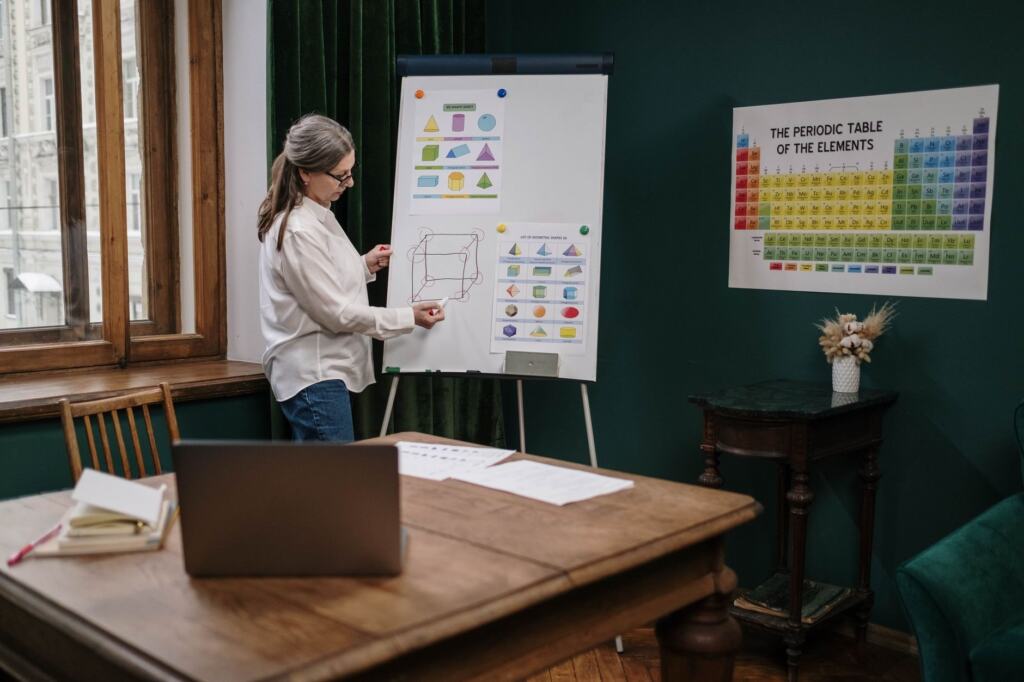
The best classroom seating arrangement depends on the task. Choose rows for quiet independent work, groups for peer talk, and a U-shape for whole-class discussion. Pick the layout that matches today’s lesson, then adjust when behavior shows it is not working.
Layout is one lever among many in classroom life as a teacher, and it is one of the cheapest to change. The sections below start from the problems teachers actually face and match each to a layout.
Matching a layout to what you teach
Yale’s Poorvu Center says seating arrangements affect learning, motivation, participation, attention and relationships between teacher and students and among students. Its guidance is to align the seating arrangement with the goals of instruction. Group work suits pods, while whole-class discussion suits a roundtable or horseshoe. Appearance matters far less than whether students can see you, see each other and stay on task.
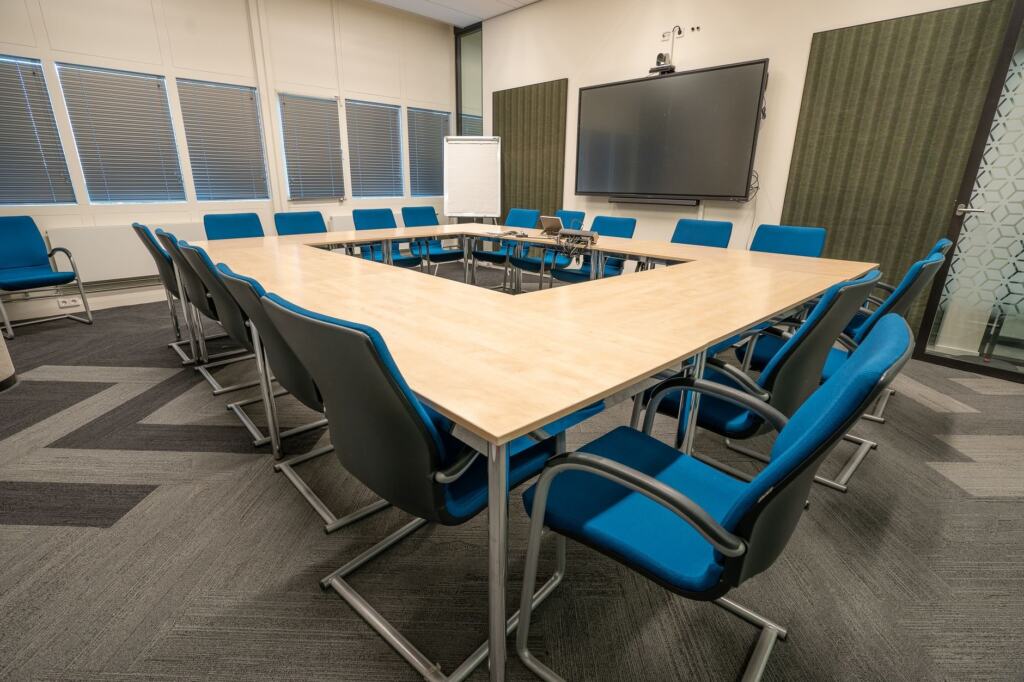
Teach for America adds a caution: an arrangement that works for one class might not provide the same benefits for another class. Treat any layout as a trial and watch what your students do in it.
| Layout | Behavior pattern | Best for | Main risk |
|---|---|---|---|
| Rows | Fewest distractions; students face the teacher | Lectures, tests, independent work | Back-row students engage less; little interaction |
| Groups (pods or clusters) | Students face each other | Brainstorming, peer review, group tasks | Side talk; harder to monitor off-task behavior |
| U-shape or horseshoe | Students see each other and the teacher | Whole-class discussion | Slow to reorganize into small groups |
The table draws on the Yale Poorvu Center and Edutopia’s research roundup.
When students will not stay on task: rows
Rows are the layout to choose when focus is the problem. Edutopia reports that rows limit distractions and work well when students need to be on task during a lecture. In a study of second-grade students observed over three weeks in rows, four-desk clusters and a large horseshoe, off-task behavior was lowest in rows.
What rows cost you
Yale describes the traditional setup as rows of fixed seating, with students facing the instructor and not each other. Students in back rows are less likely to be engaged, and the 2015 study Edutopia cites found it difficult for students at the back to join discussions. Rows also discourage interaction and collaboration.
Making rows less rigid
Teach for America notes that pairing students within rows lets them work with a partner with less distraction than in clustered groups. If you teach in rows, use pairs for short partner tasks, and plan to move students between front and back so the same few are not always disengaged. Rows suit a class that needs calm, or a unit made up mostly of direct instruction and quiet practice.
When students need to talk: groups
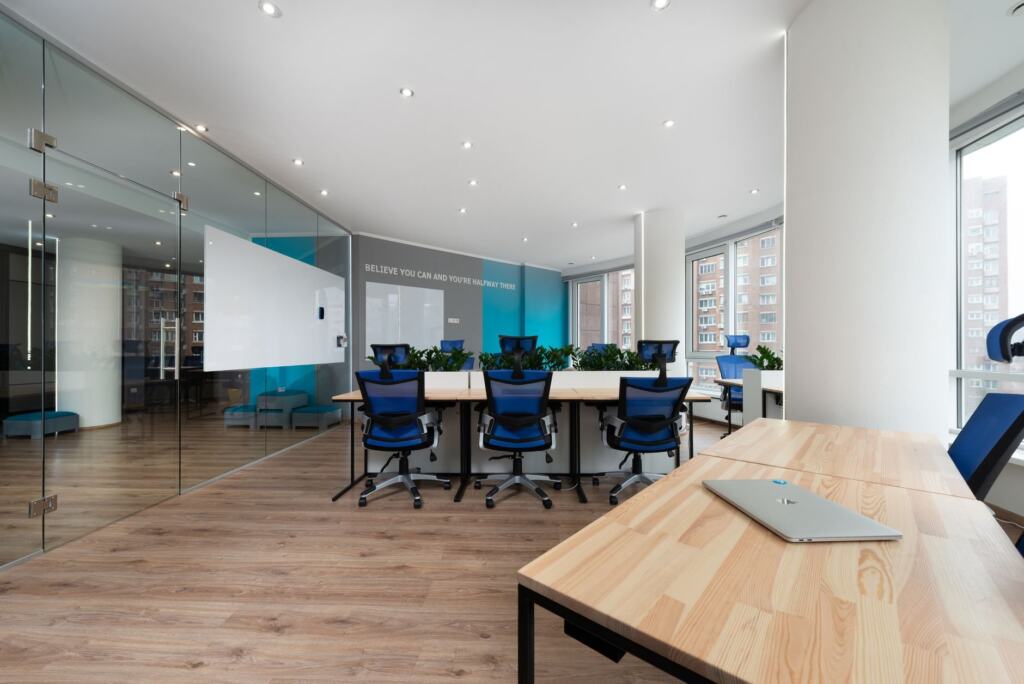
Groups are the layout to choose when collaboration is the goal. Yale describes placing several tables together to form pairs or student groups of three or four. Edutopia says clusters of four or six desks with students facing each other work well for brainstorming and peer review. Another guide puts clusters at typically 3 to 6 students.
The trade-off with groups
The cost is behavior. Edutopia notes that clusters raise the risk of disruption and reduce visibility between teacher and students. Teach for America points out that not every student can face you, which leads to side talking. One guide warns it may be difficult to control off-task behavior, and Teach Starter lists pods as distracting for some students.
Groups suit classes with strong routines and tasks that require talk. If your class drifts off task in groups, return to rows or pairs for independent work and use groups only for tightly structured activities. Students who need to hear you clearly should sit where they can turn to face you without moving their whole chair.
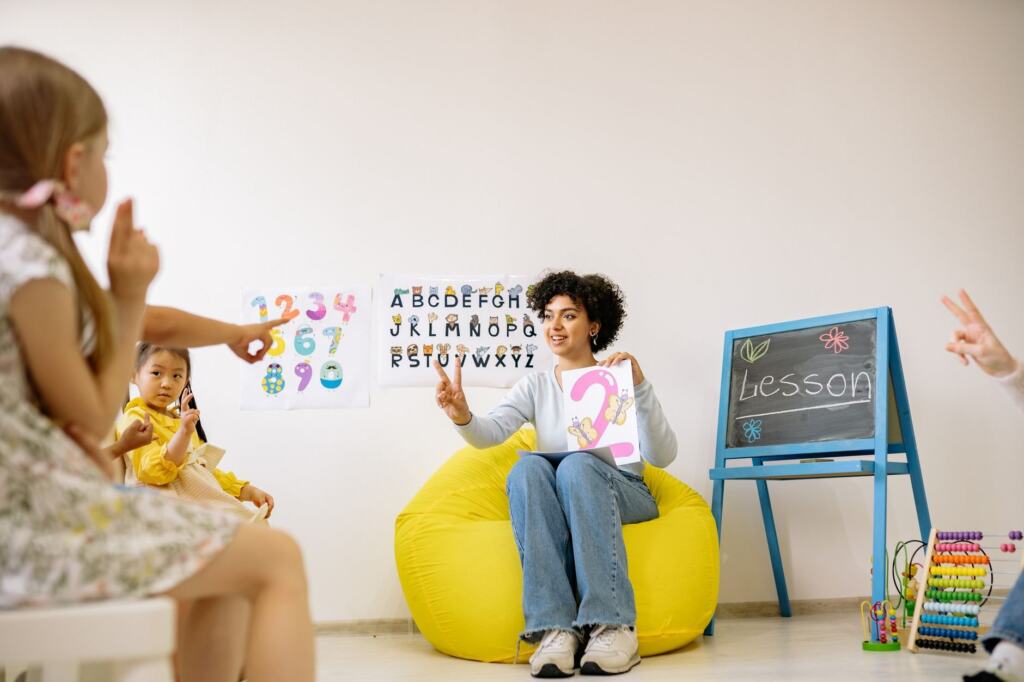
When you want discussion: the U-shape
A U-shape puts desks in an upside-down U with the teacher at the open end, and it improves visual line of sight between teacher and students, according to Edutopia. Yale says the horseshoe encourages discussion between students and with the instructor, though engagement is highest for students directly opposite the instructor.
Teach for America says the semicircle eliminates the biggest challenge of cluster seating, which is teaching to students’ backs. Teach Starter finds a large U caters well to whole-class discussions but does not work well for small-group work. The same guide warns that stadium-style seating may lead you to spend more time lecturing with less student involvement.
Planning for the transition
Teach for America cautions that it may take considerable time to organize into and out of small groups from a semicircle. Choose a U-shape for a discussion-heavy unit, or for days built around a single discussion. Because Yale notes arrangements can change during class to suit shifting learning goals, you can also begin in a U for discussion and move desks for a later task if the routine is rehearsed.
Building a seating chart
A seating chart is a teacher’s tool for controlling who sits near whom. Edutopia describes a teacher who builds different configurations depending on whether she wants whole-class discussion, small groups or independent work. Start with the layout your lesson needs, then place names into it.
- Pick the layout first. Match it to the main task of the unit, using the table above.
- Place students who struggle with attention near the front. Edutopia gives this as direct advice.
- Assign seats yourself. Edutopia reports that student-selected seating tripled disruptive behavior compared with teacher-assigned seating, and that assigned seating boosted new friendships by 50 percent.
- Check the neighbors. Students tend to mimic each other’s behavior, so a disengaged student placed beside another can spread the problem.
- Watch, then revise. Move names that are not working rather than defending the first draft.
Neighbors matter for learning too. Edutopia reports that students who sat next to conspicuously bored or slouching classmates wrote half as many pages of notes and scored nine points lower on a quiz. A chart that separates your most visibly disengaged students protects the ones beside them. If your classroom also has traffic problems, the same planning applies to routines such as how to manage bathroom breaks in the classroom, since the route to the door depends on where desks sit.
Seating students who clash
Separate students who clash, and do not rely on goodwill to hold them apart. Because behavior spreads between neighbors and student-chosen seats tripled disruption in the research Edutopia cites, assigned seats are your main defense.
- Use distance first. Put the students who clash in different areas, not just on opposite sides of a table.
- Give two seats for side conversations. Edutopia’s advice is to give students two assigned seats: one isolated for independent work, and one for group work. They keep a social option without a permanent partner.
- Move attention-seekers forward. A student who struggles with paying attention does better near the front.
- Avoid clusters for the conflict. Groups raise disruption risk and reduce your visibility, so keep clashing students in rows or at the open end of a U until the relationship settles.
If a conflict is really about disengagement, seating only contains it. For that wider problem, see how to motivate unmotivated students.
Changing seats over time
No supported research gives a fixed interval for changing seats, so tie changes to events rather than the calendar. Yale says instructors can strategically change arrangements during class to suit shifting learning goals. Change the layout when the task changes, and change individual seats when a pairing stops working.
Rotating names also helps with the back-row problem in rows, since Yale and Edutopia both report lower engagement at the back. Teach for America’s reminder applies here too: a seating plan that worked for one class may not carry over, so a new class starts with a fresh plan.
Frequently asked questions
| Question | Answer |
|---|---|
| What is the best classroom layout? | It depends on the lesson. Rows keep off-task behavior lowest, groups support peer work, and a U-shape supports discussion. |
| How do I make a seating chart? | Choose the layout for the task, assign seats yourself, put students with attention difficulties near the front, and revise after watching how neighbors affect each other. |
| How often should I change seats? | Change them when learning goals shift or a pairing stops working. Layouts can even change within a single class. |
| How do I seat students who clash? | Separate them with distance, avoid clusters, and consider giving each student two assigned seats so they can have a social option away from the other. |